|
|
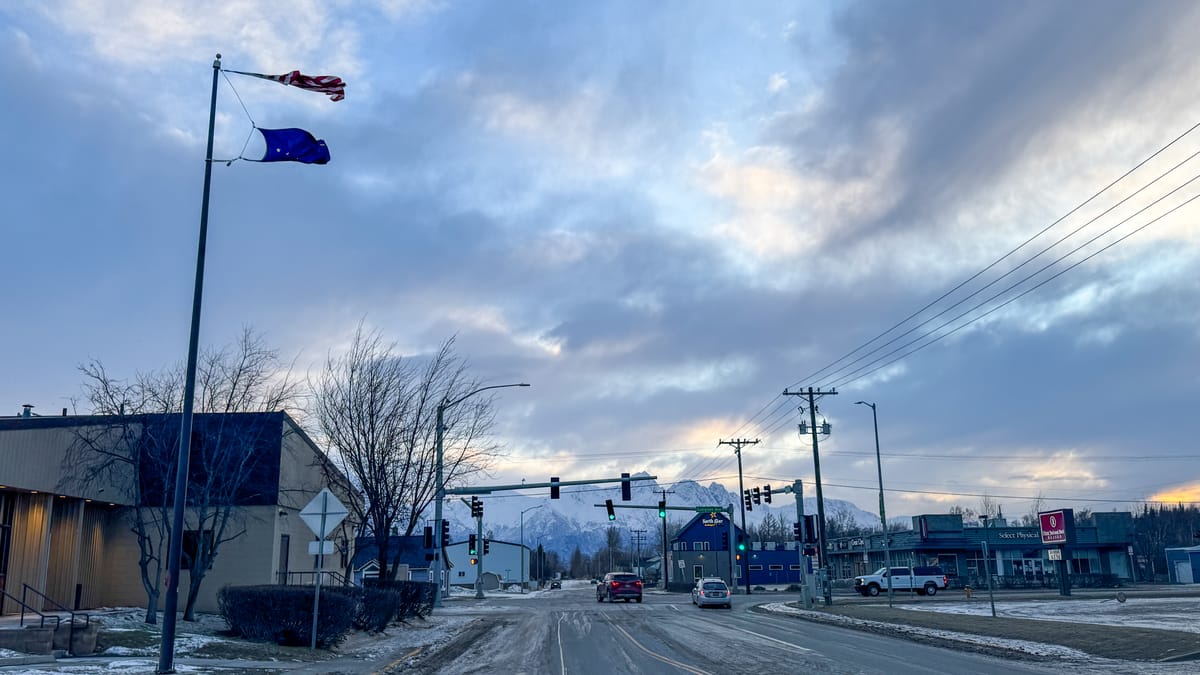
Palmer, Alaska, United States |
About 20,000 households were without power late Saturday afternoon, from Glacier View to Knik Goose Bay Road. Some railroad crossings were disabled due to wind damage.
AI Comment from GPT 5:
This post describes hurricane-force winds across Mat-Su, with gusts up to 85 mph around Palmer and thousands of households without power as a high wind warning extended through Monday. Businesses closed, rail crossings were damaged, and debris and downed trees disrupted daily life across Palmer and Wasilla.
The related posts show that this event fits into a broader pattern of repeated, high-impact windstorms in Southcentral Alaska, with Anchorage observers noting an exceptionally windy winter and back-to-back systems earlier in the year in A Winter Wind Machine. Multiple January 2025 reports documented gusts exceeding 100 mph, widespread outages, and compounding hazards like rain-on-snow, slick roads, and avalanche risk across Anchorage and Mat-Su, underscoring how windstorms are increasingly accompanied by secondary impacts such as flooding and travel disruptions (Thousands in Southcentral Alaska remain without power after Sunday’s wind and rain storm; Wind and rain batter Anchorage and Mat-Su, leaving power outages across the region). The Mat-Su has seen similar large-scale outages and infrastructure damage before, including a severe “bora” wind event with prolonged power loss, burst pipes in near-zero temperatures, and a disaster declaration to aid recovery (As some in wind-blasted Mat-Su finally get power, others continue to contend with bursting pipes and frigid cold; Dunleavy issues disaster declaration for Interior Alaska and Mat-Su storms). Longer-term context from 2020 and earlier shows that extreme wind episodes and resulting outages are a recurring regional hazard, sometimes paired with rain, melting, and avalanche danger (Storm blasts Southcentral Alaska with wind gusts over 100 mph; Thousands lose power from the Kenai Peninsula to the Mat-Su as winds ramp up; 106 mph winds knock out power in Anchorage). Together these accounts illuminate how the current Mat-Su winds mirror past events in intensity and impacts, while also highlighting the added risks when high winds coincide with rain, thaw, and prolonged cold that can lead to infrastructure failures and extended recovery times.
 Observations From Members